
An interview with Soraya Serhaddi Nelson of NPR Transcript: STEVE INSKEEP, HOST: It’s MORNING EDITION, from NPR News. I’m Steve Inskeep. Egypt’s President Mohamed Morsi has granted himself almost absolute power, but has not been able to win anything like unanimous approval. The new president faces criticism for a decree stating he can do anything he thinks will advance Egypt’s revolution, and that courts cannot review his decisions. Egyptians have taken to the streets in protest. Markets have reacted badly, and the country’s top judges are paying Morsi a visit today to discuss this turn of events. NPR’s Soraya Sarhaddi…
Leave a CommentMonth: November 2012
نُشر في “الشروق” في ٢٥ نوفمبر ٢٠١٢ بعد ثمانية أيام من القتال وبعد سقوط أكثر من مائة قتيل نتيجة القصف الإسرائيلى الوحشى لغزة تنفس الجميع الصعداء عندما أعلنت واشنطن أن هيلارى كلينتون فى طريقها للقاهرة وأن الرئيس مرسى قد استطاع التوسط بين حماس وإسرائيل للوصول إلى هدنة بينهما. وما هى إلا ساعات حتى وقفت كلينتون بجانب محمد كامل عمرو، وزير الخارجية، ليعلنا تفاصيل الهدنة وانفراج الأزمة. فى اليوم الثانى خرجت علينا كبريات الصحف الأمريكية والإسرائيلية تزف لنا ليس فقط هذه الأخبار السارة ولكن أيضا احتفاءها بمرسى وبحنكته السياسية. كان من أطرف المواضيع الإخبارية عن تفاصيل الوصول للهدنة ذلك المقال الذى…
Leave a Comment
A short interview with Magdi Abdelhadi of the BBC World Service on the history of Egyptian monasticism and how the history of the Coptic church is taught (or not) in Egyptian schools. (at 23:15)
Leave a Comment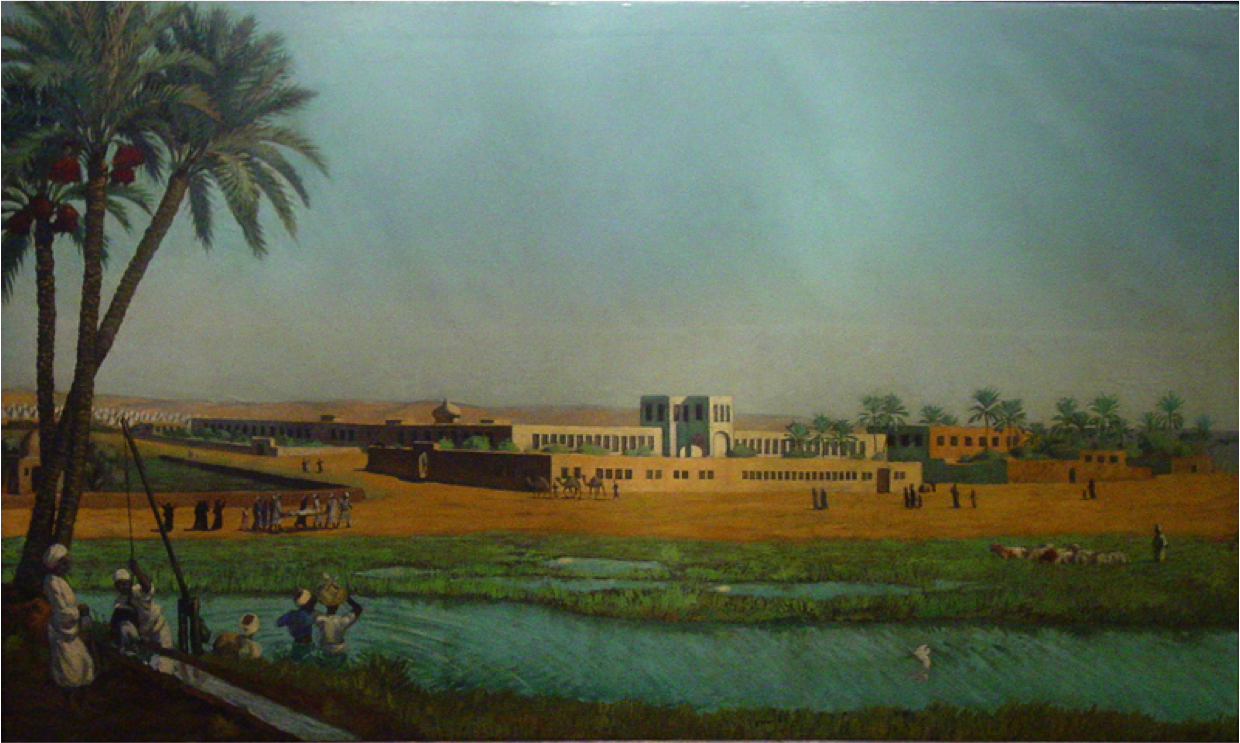
Published in Ahram Online on November 21, 2012 Cultural and civilisational diversity of the Egyptian society inspired mega project like arabising medicine in the 19th century. But, unfortunately it did not motivate the members of the Constituent Assembly. A few days ago I met with some friends to read the draft constitution that the Constituent Assembly is about to finalise, the first copy of which was published in the press a few days ago. As soon as we started to closely read the text, we were shocked by the poor language, lack of vision, contradictory ideas and flawed logic in…
Leave a Comment
A panel discussion (in Arabic and English) presented with Emad Abou Ghazi and Mosireen Collective at the American University in Cairo on Archiving the Revolution, November 21, 2012. (my English sections are at : 1:00:00 and 1:49:35)
Leave a Comment
محاضرة عن “مشروع توثيق الثورة” (بالعربية والإنجليزية) ألقيت في الجامعة الأمريكية بالقاهرة في ٢١ نوفمبر ٢٠١٢
Leave a Comment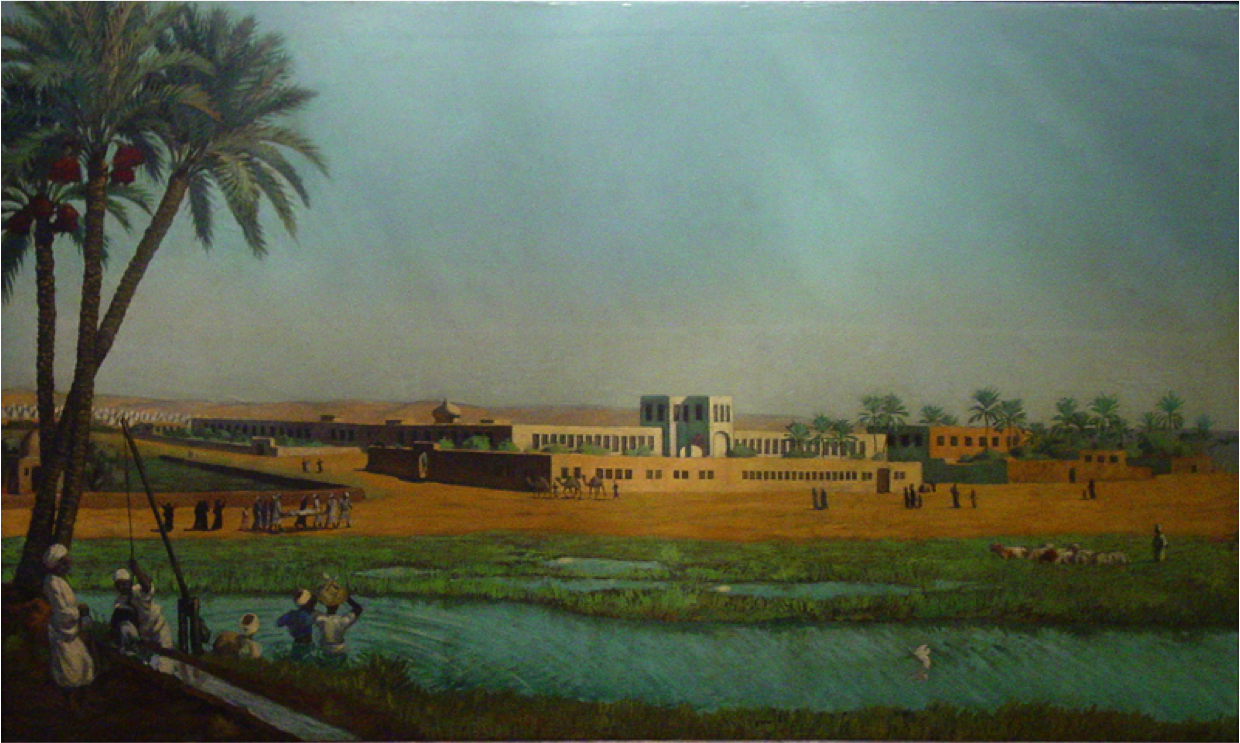
نُشر في الشروق في ١٨ نوفمبر ٢٠١٢ منذ أيام لبيت دعوة بعض الأصدقاء لجلسة نقرأ فيها نص الدستور الذى أوشكت اللجنة التأسيسية من الانتهاء منه والتى نشرت الصحف منذ أيام مسودته الأولى. وما إن شرعنا فى القراءة المتأنية حتى أصابتنا الدهشة من سوء الصياغة وانعدام الرؤية وتضارب الأفكار وعوار المنطق الذى يضرب كل أبواب ومواد هذا النص المحورى، وكأن اللجنة التأسيسية كان شغلها الشاغل كتابة موضوع تعبير يجتر العبارات الفضفاضة، فصيحة اللسان، ولكنها خاوية المعنى، منعدمة القيمة. ثم اختلفنا فى تحديد أكثر المواد طرافة وأخفها ظلا، أهى المادة التاسعة التى تفترض أن هناك «طابعا أصيلا للأسرة المصرية»، أم المادة السابعة…
Leave a Comment
A radio interview with Chris Lydon of Radio Opensource on the historical meaning of the January 25, 2011 Revolution. Recorded in Cairo on November 14, 2012 CAIRO — Khaled Fahmy came home to Egypt just months before the uprising in Tahrir Square. He was leaving a big university career in Oxford and New York, drawn by intuition and maybe destiny to be the historian of a great event. In an hour’s conversation he will recharge your sense of the Arab Revolution of 2011. It was just what we half-guessed at the time: a watershed more cultural and psycho-social than it was political. It…
Leave a Comment
Published in Ahram Online on November 14, 2012 Human rights NGOs say that 11 people died from torture in police stations during Morsi’s tenure, but the issue is not being addressed by the government. It is the first anniversary of the death of Essam Ali Atta – an occasion to revisit the issue of torture and ask what President Morsi has done so far to confront this serious issue. Atta was a 25-year-old young man who was arrested by the military police on 25 February last year, and charged with illegally occupying an apartment in Moqattam. Only one day after…
Leave a Comment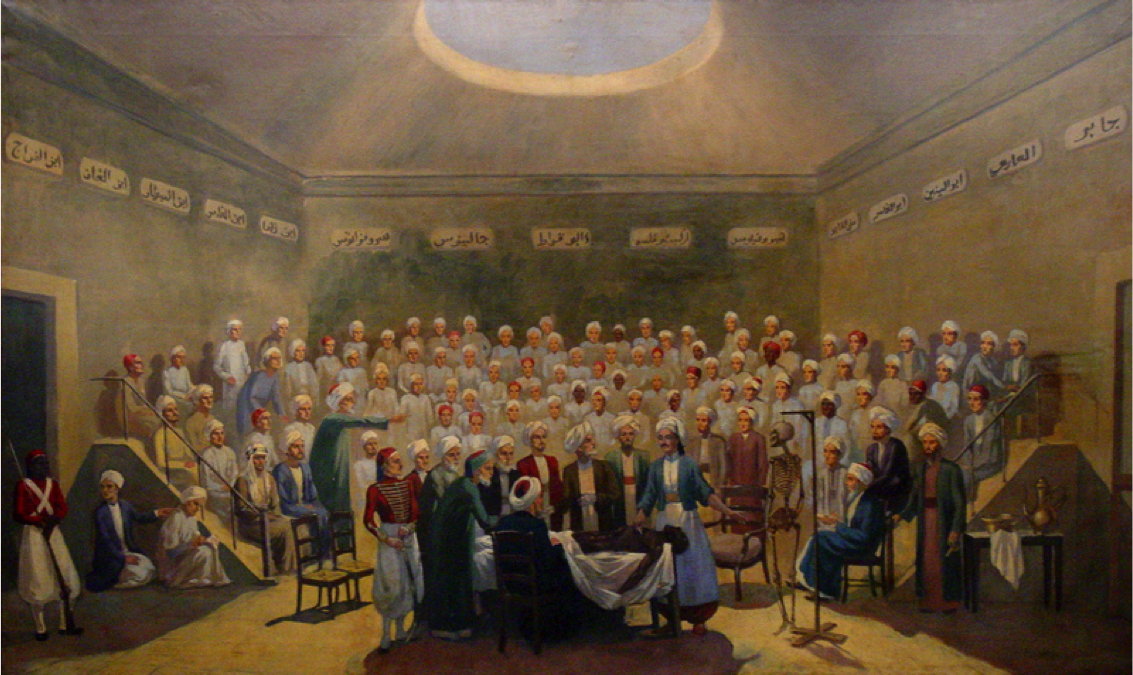
Published in Ahram Weekly on November 12, 2012 As I go through the draft of the new Egyptian constitution, Article 11 strikes me as one of many curious articles in that supposedly foundational text: “The state protects the cultural, civilisational and linguistic unity of Egyptian society, and strives to Arabise science and knowledge.” Like others who have commented on the draft constitution, I have a problem with this article, but unlike others my problem is not that Arabising science might result in our doctors and engineers losing touch with the latest developments in medicine and engineering. Nor does my problem…
Leave a Comment